
Altaher Sharqawi
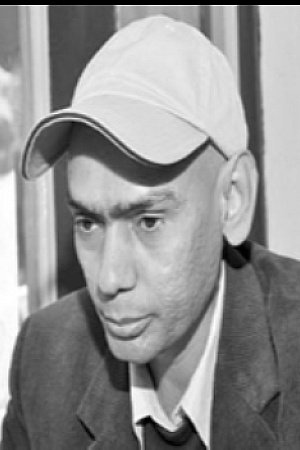
Altahar Mohamed Hussein Sharqawi, known as Altahar Sharqawi in literary circles, is considered one of the most prominent voices of his generation. He uses narrative as a means of expression, a way to question the world, and a medium for giving voice to the marginalized, forgotten, and repressed. Born in Armant, in the Luxor Governorate of southern Egypt, he grew up in a modest environment rich in human details—an upbringing that helped shape his distinctive literary voice. His work consistently reflects the influences of the South, childhood memories, and a deep, enduring longing for his ‘first place’.
From a young age, Sharqawi was captivated by the world of books, developing a love for reading by exchanging magazines and stories with his peers. He began writing poetry during secondary school but soon found that short stories were more effective in conveying his thoughts and personal concerns. Eventually, he turned to novel writing, producing works marked by a strong linguistic sensitivity and filled with themes of detachment, alienation, and a longing for dreams.
After graduating from the Faculty of Commerce at Al-Azhar University, Sharqawi moved to Cairo. However, his true sense of belonging remained rooted in the South. The tension between rural and urban life, as well as between memory and reality, is a powerful theme in his work. In Cairo, he dedicated himself to journalism and cultural endeavors, eventually becoming the sub-editor and the editor-in-chief of Qatr al-Nada, a children’s magazine published by Egypt's General Authority for Cultural Palaces since 2006. He also collaborated with various media outlets, including Al-Tahrir newspaper, Mobtada website, and the Ajel platform in Saudi Arabia, among others.
Sharqawi's creative work extends beyond adult literature; he also writes for children and young adults. He is the author of a 30-episode animated television, ‘Zeina’, which aired during Ramadan in 2021. Furthermore, he has produced visual and cultural content designed to make literary language more accessible to children and youth, utilizing both his narrative skills and teaching background.
Altahar Sharqawi's writing reflects a deep appreciation for the small details, as he believes that beauty often exists in what is overlooked. He avoids grand statements or slogan-driven writing, choosing instead to explore the delicate aspects of human experience and listen to individual voices amidst the chaos of life. During the month of Ramadan, he prefers to read and reflect rather than write. He also finds that walking and wandering through old neighborhoods serves as a ritual that helps restore his inner clarity.
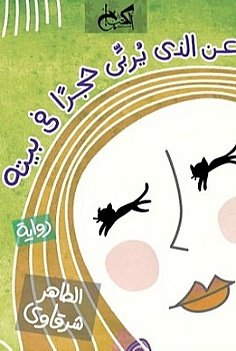
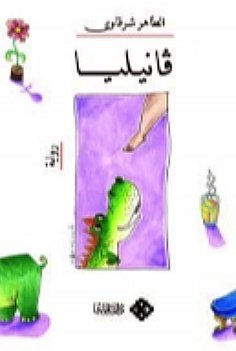
Sharqawi’s writing is rare and characterized by listening more than shouting and observing more than judging. It has the subtlety of a whisper but leaves a lasting impact on the reader, even after the final page is turned. His novel, Vanilla, is a significant literary milestone, having won the Sawiris Cultural Award (First Prize in the Young Writers category) in 2010. This work falls in the category of magical realism, featuring clear language, mythical characters, and a strong portrayal of isolation alongside a yearning to escape the chaotic world. Additionally, he won the Cairo International Book Fair Award for Best Novel in 2013 for his novel On The One Who Raises a Stone in His House. Sharqawi's achievements include accolades from the General Authority for Cultural Palaces and the Ihsan Abdel Quddous Short Story Prize.
Books
Loading...
Awards & Recognition
No awards available for this author.