
The Tumor
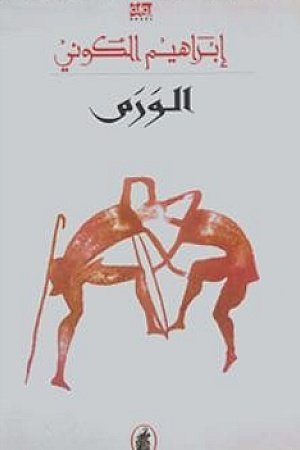
Overview
"What you love makes your destiny. The greater this love is, the more united you are with the subject of your love so that your existence no longer will be distinct and peculiar...You give the object of your love your skin and soul, and it possesses and transforms you after the image of a destiny that signifies the power of this love.”
Summary
Cursed by a robe that clings to his body and causes a disfiguring skin tumor, the leader's successor, Asanai, loses his ability to distinguish between earthly power and divine grace. The robe symbolizes the corrupting nature of Asanai’s ambition, while the tumor represents the moral and spiritual decay that accompanies his quest for dominance. Driven by an insatiable ego, he aspires to seize control over the entire world. However, instead of elevating Asanai’s status, the robe becomes a harrowing reminder of the peril inherent in conflating Man-given power with the divinely bestowed.
The pivotal moment of realization occurs when Asanai faces the consequences of a grievous act—selling his wife in the market to repay his debts. This act brings him deep shame, and the robe, once seen as a symbol of potential greatness, becomes a grim reminder of his catastrophic fall from grace. It forces him to confront the irony of his situation: the very object he believed would elevate him has led to his downfall.
In this novel, everything references the tumor, yet Asanai does not dare to acknowledge it. He believes that the fatal robe was a symbol of high rank and prestige, even a gift from the universe, bestowed by an absent leader. Critic Faisal Darraj remarks, “The novelist equates the fascination with fences and the ‘egoistic power,’ whose tyrannical continuity turns it into a real ‘tumor,’ canceling the soul and leaving nothing but chapped skin. Intuitively, the ‘tumor’ with the imbalance of standards and values it begets is not only the deformation, but there is the defile of the sanctity of the human body. And while physical ailments that afflict humans are curable, nothing can cure the sickness of that insatiable desire for power except death.”
In The Tumor, Al-Koni introduces a new concept of power—an obsessive, controlling force that bewitches both the Man's body and soul. He places his characters in a confined city, in contrast to the vast expanse of the desert, and masterfully transforms these characters into symbols that struggle against opposing concepts in the wider world of the desert.
At its core, Asanai’s story serves as a cautionary tale about the corrupting influence of dark ambition and the inherent dangers of valuing material power over moral integrity. The narrative’s exploration of these themes resonates with timeless literary traditions, offering a compelling commentary on the nature of human desire and the perilous pursuit of greatness.
Why Read This Book
The book explores a world where the pursuit of power leads to moral corruption and spiritual decay through the complex character of Asanai, whose ambition blinds him to the consequences of his actions. Al-Koni delves into the symbolic power of the robe, a potent representation of the corrupting influence of material wealth. The novel offers a thought-provoking and cautionary tale that will stay with the reader long after s/he turned the final page.
Key Themes
The Corrupting Influence of Power
The novel mirrors the corrupting influence of power and the dangers of conflating human authority with divine grace. Asanai's obsession with power leads to a moral and spiritual decline, ultimately resulting in his downfall.
The Symbolism of the Tumor
The tumor, a physical manifestation of Asanai's internal corruption, serves as a powerful symbol of his moral decay. It represents the destructive force of blind ambition and the erosion of the human soul.
The Role of Tradition and Morality
The novel highlights the importance of traditional values and moral principles. Asanai's disregard for these values leads to his downfall, emphasizing the consequences of moral transgression.
The Human Condition
Al-Koni explores universal themes such as the nature of desire, the pursuit of power, and the fragility of the human spirit..