
The Scarecrow
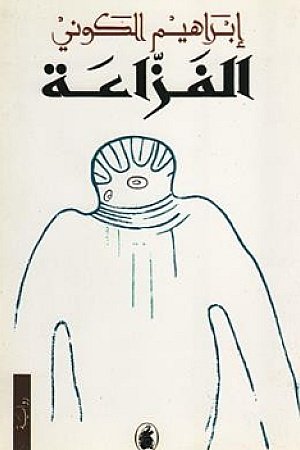
Overview
“The Scarecrow is our destiny ...We reside in the scarecrow ... the scarecrow resides in us ... We are the scarecrow, and the scarecrow is us.”
Summary
In The Scarecrow, Al-Koni once again moves from the desert to the oasis, from a life of nomadic travel to one of stability, shedding light on the profound consequences this stability imposes on the desert dweller. The critic Sabri al-Hafiz eloquently discusses the dichotomy between the desert and the oasis in Al-Koni’s The Scarecrow: “Like its mythical Time and apart from its infinite stretch of emptiness, the space of the desert is loaded with visions and prophecies and charged with emotions, tales, and myths. This is because its fundamental dialectic is one of emptiness and fullness. In contrast, the agricultural space is confined, where the transition from nomadism to agriculture begets shame.”
The novel opens with the death of the tribe's leader, Ogulli, and as the search for a new leader begins, strange phenomena begin to occur. Al-Koni meticulously observes the transformations of the oasis dwellers as they navigate a power vacuum filled with turmoil, fear, and instability. The plot intensifies
when a power-hungry group conspires against the leader and assassinate him, triggering a new quest for a leader. However, everyone refuses to be the leader, believing it to be cursed and haunted by dark and evil spirits. Gradually, the search for a new leader becomes the central axis around which the narrative revolves. When the new leader eventually finds the owner of the scarecrow, disaster strikes the oasis, spiraling events out of control and culminating in the death of all its inhabitants. Their demise serves as a stark reminder of the consequences of abandoning the codes and values of the desert and reflects on the profound alienation of Man from both him and the universe.
The Scarecrow is rich with symbolism, and it explores themes such as the fear of leadership, the unknown, stability, and the role of women. The scarecrow itself symbolizes the darker aspects of the human soul, the persistence in committing sin, and the temptation of the forbidden. It suggests that severe retribution is necessary to purify a sinful soul. In this work of fiction, Al-Koni illustrates that when the desert is wounded, the retribution is merciless, so much so that it would blind the disobedients, depriving them of the gift of sight so they cannot enjoy the beauty of the world they have forsaken.
Why Read This Book
In this book, the reader goes from desert to oasis life and discovers deep truths about human nature, societal change, and the fear of leadership. S/he will explore the symbolic significance of the scarecrow as it embodies the fears of a community in transition. Through its rich symbolism and thought- provoking exploration of the human condition, The Scarecrow offers a captivating and tragic tale that will leave the reader with a lasting impression.
Key Themes
The Fear of Leadership
The novel explores the complexities of leadership, and the fear associated with it. The characters' reluctance to assume leadership positions reflects the weight of responsibility and the fear of failure.
The Corruption of Power
Al-Koni tackles the corrupting influence of power and the destructive consequences of blind ambition. The downfall of the community is a direct result of the leaders' greed and self-interest.
The Loss of Tradition
The novel highlights the erosion of traditional values and the impact of modernity on the Tuareg way of life. The characters' abandonment of their nomadic heritage leads to a moral and spiritual decline.
The Power of Symbolism
The scarecrow serves as a powerful symbol of the fear that grips the community. It represents the dark side of human nature and the consequences of moral transgression.