
The Puppet
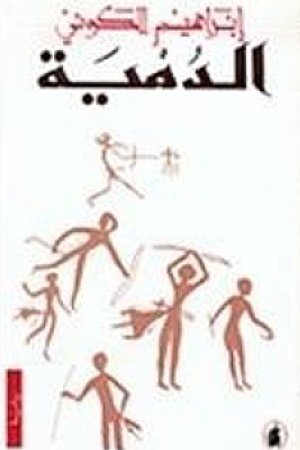
Overview
“The oasis is the trap of the transient, the paradise of the thirst, the treasure of the lost, the homeland of the slaves!”
Summary
In The Puppet, Al-Koni shifts his focus from the desert to the oasis, not to highlight a tranquil life, but to unravel the secret of temptation. The novel explores the transformation in the behavior of desert people when they abandon the freedom of nomadic life and succumb to the temptations of a settlement, challenging the sanctity of their desert heritage. The narrative is structured into nine chapters: The Fairy; The Puppet; The Judgment; The Bundle; The Campaign; The Stories; The Wretched; The Scheme; and Pastime.
A newly appointed Tuareg leader finds himself torn between upholding the tribe’s traditional doctrine—risking being seen as conservative, outdated, and ineffective—and the desire to assert his authority, proving to his opponents that he is not merely a puppet of the powerful traders. Al- Koni delves into the effects of modernity and capitalism on the traditional Tuareg society, particularly focusing on the contradictions and dualities inherent in its economic structure. The Bedouins, bound by their nomadic traditions, are constantly on the move. Their tribal code forbids them from staying in one place for more than forty days, a practice that safeguards the moral integrity of the tribe. According to this code, settling down and accumulating wealth leads to greed, a divergence from tribal traditions that marks the beginning of the tribe's decline.
Al-Koni skillfully personifies the invasion of modernity into traditional Tuareg society and its impact on the ancient mores of a community that still fiercely identifies as "conservative." Journalist and book reviewer Ursula Lindsey notes: “The Puppet is the middle installment of a trilogy that chronicles a Bedouin community’s turn towards sedentary life and its concomitant moral decline... It should be said that the trilogy is equally reminiscent of the Saudi novelist Abdul-Rahman Mounif’s Cities of Salt series, which chronicles the disorienting social transformations brought about by the discovery of oil.”
However, Al-Koni does not merely lament the collapse of the ancient world. Instead, he acts as a meticulous historian, portraying the spread of modernity from various perspectives. While he refrains from mourning a decaying world or delving into the detailed history of this transformation, he expands the concept of time to explore the deeper impacts of capitalism on societies like that of the desert. The Puppet culminates in a tragic and bloody finale, through which Al-Koni unveils the enduring drama of modernity—a stark and unromantic narrative that challenges the romanticism often associated with the desert.
Why Read This Book
In this book, the reader meets Tuareg people and witnesses the clash between their nomadic traditions and the enticing charm of modern life. Al-Koni sheds a light on the philosophical implications of societal change and the moral dilemmas faced by individuals caught between tradition and modernity.
Key Themes
The Clash of Cultures
The novel highlights the clash between the nomadic lifestyle of the Tuareg and the sedentary lifestyle associated with modern society. Al-Koni explores the consequences of this clash, including the loss of traditional values and the erosion of cultural identity.
The Corruption of Power
The central character, a Tuareg leader, grapples with the corrupting influence of power and wealth. The novel tackles the moral dilemmas faced by individuals in positions of authority and the dangers of hazadereous ambition.
The Role of Tradition
Al-Koni celebrates the enduring power of tradition and the importance of preserving cultural heritage. The novel emphasizes the significance of the desert and its symbolic importance to the Tuareg people.
The Human Condition
At its core, The Puppet is a timeless exploration of the human condition, where Al-Koni touches upon universal themes such as love, loss, and the search for meaning.