
The Ancestors and Successors Hexagon - Part IV: Cain... Where is Your Brother, Abel?
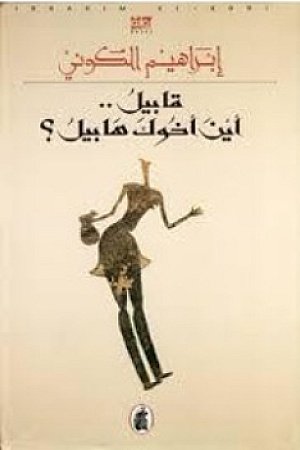
Overview
N/A
Summary
Part IV: Cain... Where is Your Brother, Abel?
“From the dawn of the world, the generational code is that thrones are always for murders.”
In this part of The Ancestors and Successors Hexagon, novelist Ibrahim Al-Koni draws from the story of Adam's sons to reflect on a history that painfully repeats itself. He dismantles the philosophy of seeking God in a world of sinners, proposing instead a stark wisdom: that Man is born to wander, only to fall into the pit of greed, opportunism, fear, hesitation, fragmentation, and defeat. It is only then that Man realizes Time, ages, and eternity are but reflections of their Creator. True paradise, Al-Koni suggests, is the shadow of the soul reflected in nature—the perceptible and tangible world around us.
Yusuf Al-Qaramanli murders his brother, Hassan, and seizes power after their father’s death. However, he faces one remaining obstacle—his eldest brother, Ahmed, who by birthright should inherit the throne. Despite Yusuf's heinous massacre, their father, Ali Basha Al-Qaramanli, forgives him, much like God forgave Cain. Yet, Yusuf grows even more tyrannical, unjust, and cruel. He crushes the tribes and even plans to rebel against his father. When Yusuf attempts to invade the city, Ali Basha, instead of defending himself, orders his artillery commander to fire the cannonballs into the sea to avoid harming his son. At the same time, he overlooks the anger of his second son, who accuses him of favoritism.
Cain… Where is Your Brother, Abel? is a philosophical novel that explores the origins of human evil. Since the time Adam was expelled from heaven, humanity has been consumed by a thirst for power and a relentless drive to take whatever it can. Al-Koni suggests that the first sin might not have been eating the forbidden fruit but simply human existence itself. Like much of Al-Koni's work, the novel is rich in religious symbolism and metaphors, carrying a tragic, Shakespearean weight that gives it a universal and timeless quality.
Why Read This Book
N/A
Key Themes
N/A
N/A