
Silphium
Overview
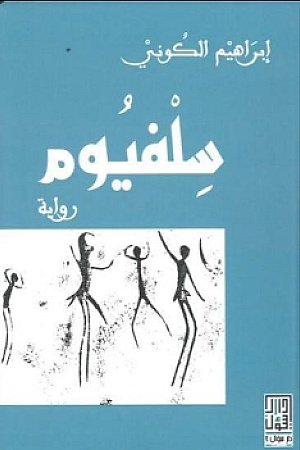
In Silphium, Al-Koni take up on his existential exploration of migration,
Summary
In Silphium, Al-Koni take up on his existential exploration of migration, digging deep in the civilizations of the ancient world. Drawing inspiration from the spirits of the seventh century BC, he writes with a mystical sensitivity, infusing the narrative with a profound sense of being and wisdom. This blend of elements is woven into a captivating plot where the depths of the human spirit in those distant centuries clash in the epic battle of life and death.
As in most of Al-Koni's works, Silphium features a mythological element rooted in the desert—this time, the focus is on the enigmatic plant 'Silphium'. Al-Koni imbues Silphium with dual extremes: mortality and immortality, suggesting that it brings both conflict and corruption. Saeed Al-Ghanmi reflects on this paradox, stating, “Silphium... embodies a series of contradictions that negate yet simultaneously affirm each other. What does the possession of this mythical plant, which curses with madness, that is invisibility in a mystical sense, lead to? A rebirth, a return to the fetal stage, emerging from the mother’s womb as a new-born.”
Al-Koni contends that the central issue in Silphium is not a struggle for wealth, but rather a struggle between the patriarchal mentality introduced to Libya by the Greeks and the Tuareg matriarchal system, which cherishes the female as a sacred symbol. This struggle between two opposing systems profoundly influences the protagonist's relationship with the female stranger he seeks to marry and opens Pandora’s box of evils and conflicts.
Silphium is a complex blend of philosophy, exploring themes of love, tolerance, ownership, and war. It marks a dramatic shift from the unknown expanses of the Libyan desert to the beauty and splendor of the ancient city of Cyrene, located on the slopes of the Green Mountain in eastern Libya. Through this narrative journey, Al- Koni transports the reader geographically and historically, from the desert to a city that was once the cradle of one of the most important civilizations of the ancient world.
Why Read This Book
It is a book with richly detailed narrative that blends the mystical and historical, exploring the depths of the human spirit and ancient wisdom. The captivating plot and symbolic elements offer the reader a profound exploration of the human condition and the life-or-death struggles between opposing cultural systems.
Key Themes
A Historical and Mythological Exploration
Al-Koni delves into the rich history and mythology of ancient Libya, drawing inspiration from the enigmatic Silphium plant.
A Philosophical Inquiry
The novel navigates through profound philosophical questions about life, death, power, and the nature of reality.
A Clash of Civilizations
The narrative highlights the tension between the ancient Tuareg culture and the influence of Greek civilization.
A Symbolic Journey
The Silphium plant is a powerful symbol of both life and death, representing the dual nature of existence.
The Desert Soul
The novel offers a profound exploration of the human spirit, its connection to nature, and the impact of isolation.
A Philosophical Exploration
Al-Koni tackles complex philosophical themes, such as the nature of existence, the meaning of suffering, and the search for redemption.
A Symbolic Narrative
The desert landscape and its inhabitants serve as powerful symbols, representing the cyclical nature of life and death, and the enduring power of the human spirit.
A Critique of Modernity
The novel critiques the destructive impact of modernity on traditional cultures, highlighting the importance of preserving cultural heritage.
Unique Narrative Style
Al-Koni's narrative combines a tale, a political statement, and a lyrical lament, offering a rich and charming reading experience.
Critical Acclaim
Recognized as one of the best books about Libya by The Guardian and praised by Kirkus Reviews, the novel has been translated into multiple languages and received international acclaim.