
Now My Life Has Started
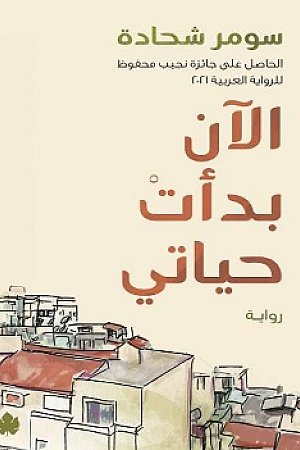
Overview
“Everyone knows the murderers. Yet no one speaks of them. No one dares to point them out. Such was the presence of death in Latakia—a ghostly force, unpredictable, drifting from house to house. It was a city ransacked by crime.”
Summary
Now My Life Has Started, by Somar Shehadeh, is a profound social and humanistic literary work that delves deep into the human psyche, unraveling the intricate web of human relationships in a world ravaged by war and loss. At its heart is Youssef, a lawyer preparing to emigrate to America with his wife, Rima. However, on the eve of their departure, Youssef is mysteriously killed. The circumstances of his death remain enigmatic—was it suicide, murder, or mere fate? These questions linger, adding a layer of suspense that grips the reader from the very beginning.
Set in Latakia, a city worn down by the relentless weight of war, the novel weaves together multiple narrative voices to reveal the complex dynamics between its characters. Among them are Eyas, Youssef’s closest friend; Lynn, a family friend battling profound loneliness; and Rima, Youssef’s wife, who is struggling in her relationship with him. Through these voices, the novel paints a vivid portrait of inner struggles—dreams deferred, fears confronted, and the relentless battle against loss, loneliness, and betrayal.
Shehadeh’s narrative style masterfully blends realism with rich symbolism, creating an intricate and evocative reading experience. His language captures the raw complexity of human emotions—pain, loss, and the yearning for redemption. The novel underscores the fragility of individuals in the face of life’s harsh realities, where alienation pervades both the external world and the inner self. It poignantly illustrates that wars are not only fought on battlefields but also within the soul, leaving lasting scars that shape destinies.
While the novel carries the intrigue of a crime story, its essence lies in its exploration of human and societal themes. It does not seek to catch a killer or investigate a crime; rather, it focuses on the characters’ reactions, mirroring the oppressive society they inhabit—a society rife with political and social unrest. The text delves into themes of repression and tyranny, where crime becomes a tool for those in power to assert control and manipulate narratives to serve their interests. It also explores the concept of ill-timed decisions, as the characters navigate a world where their fates are inextricably intertwined. Youssef’s death serves as the novel’s climax, but it also marks the beginning of a cascade of revelations and events. The open-ended finale reflects the absurdity of justice, the illusion of salvation, and leaves the reader with profound questions about freedom, love, and the essence of humanity.
Now My Life Has Started is a tragic yet captivating exploration of reality, where life unfolds like a chess game; each move fraught with consequences, and every decision entangled with destiny. Pain emerges as a transformative force, driving the characters toward profound change. The novel transcends the themes of death and crime, offering instead a meditation on the meaning of life in a turbulent world, where appearances are often deceiving, and the truth lies buried beneath layers of complexity. The novel has earned huge critical acclaim, securing a place on the longlist for the Sheikh Zayed Book Award for Young Authors (2024-2025) and the International Prize for Arabic Fiction (2025). It is a testament to Shehadeh’s literary talent in blending delicate beauty with stark realism to create a work that resonates deeply with its readers.
Why Read This Book
Now My Life Has Started is a charming tale of love, loss, and resilience set in war-torn Latakia. Through its complex characters and suspenseful narrative, the novel explores themes of justice, freedom, and the human spirit in the face of oppression. With its haunting prose and thought- provoking open ending, this book is a powerful reflection on life’s struggles and a must-read for those who seek deeply moving and thought- provoking literature.
Key Themes
The Horrors of War
The novel explores the devastating impact of war on individuals and society.
Alienation and Loneliness
The novel delves into the isolation experienced by its characters, both within themselves and in their relationships with others.
Justice and Injustice
Repression, tyranny, and the absurdity of justice are central themes, as the novel critiques societal structures that perpetuate inequality and suffering.
Human Resilience
Despite the pain and turmoil, the characters’ struggles reveal their capacity for resilience and the potential for personal growth amidst adversity.
The Search for Meaning
At its core, the novel is a meditation on the meaning of life in a chaotic world.