
Little Wuw
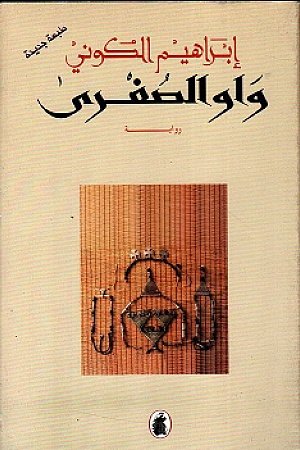
Overview
N/A
Summary
The novel opens with the arrival of migrating birds to the village of Little Wuw. When the birds die, the tribe's leader also passes away, marking a crucial moment that triggers a series of unexpected changes. In response, the tribe dedicates a special shrine for the deceased leader and entrusts an oracle with the task of receiving messages from him. This shrine becomes a vital link between the tribe and the land, transforming the area into a lush oasis. Over time, the oasis becomes a resting place for travelers and strangers who settle there, bringing new life to the once isolated community. However, these changes introduce conflict between the tribe’s long-held traditions and the emerging reality. The transformations extend beyond human lives to affect the plants and animals of the oasis, symbolizing a broader shift in the natural order.
Critic Yassin Naseer observes: “In the vast openness of the desert, with its focal points— rock and abyss—there are separate spaces where isolation and individuality intensify. The novel provides ample evidence of characters striving, through their individual presence and solitude in the desert, to strengthen their bond with the earth. This is more like a return to a temporal-spatial cave. In essence, the characters abandon the 'first mother' and then, through storytelling, attempt to return to that womb—nature. This return is, by necessity, a psychological one.”
The novel has received widespread international acclaim. In 2015, Little Wuw won the American National Translation Award for Literary Translation, with William Hutchins as the translator. This novel is Hutchins’ fourth translation of Al-Koni works. That same year, Little Wuw was longlisted for the International Man Booker Prize. Hutchins remarked about the challenges of translating this and other works by Al-Koni. “It's the lyricism in his unyielding writing style that makes you want more. It's the painful and beautiful seduction of his images and words”.
Why Read This Book
In a lyrical prose, Al-Koni vividly portrays the beauty and harshness of the desert landscape, and raises profound questions about tradition, modernity, and the human connection to nature. The rich symbolism and imagery that underlie the story offer the reader a deeper understanding of the human experience.
Key Themes
Tuareg Culture
The novel provides a rich and holistic exploration of Tuareg traditions, beliefs, and their deep connection to the desert.
A Philosophical Exploration
Al-Koni touches upon the universal themes of life, death, and the cyclical nature of existence. The novel sheds a light on the tension between tradition and modernity, and the impact of change on individual and collective identity.
A Symbolic Narrative
The oasis of Little Wuw serves as a powerful symbol of renewal and transformation. The characters' journey mirrors the true but complex nature of life, death, and rebirth.
The Power of Storytelling
The novel emphasizes the power of storytelling to shape identity, preserve cultural heritage, and connect with the spiritual realm.