
Kyrie Eleison
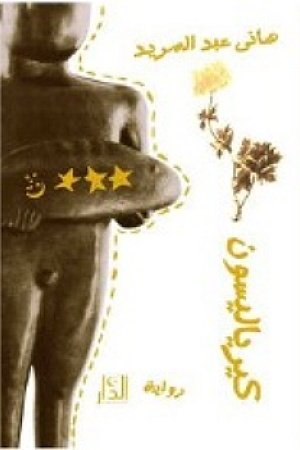
Overview
“Am I in this situation because of my actions? My foolish silence and my blind compliance with orders, devoid of any remorse, weigh heavily on my mind. I often tell myself that there are many others more deserving of the ammunition we waste firing into the air, but I never voice these thoughts, choosing instead to overlook them immediately.”
Summary
Kyrie Eleison by Egyptian writer Hani Abd El-Mourid is an important contribution to realist literature, focusing on the lives of marginalized individuals. It belongs to the genre of "ghetto realism" and explores the daily existence of residents in the Al-Zaraeeb neighborhood of Manshiyat Nasser, Cairo, where the city's garbage is collected and sorted. The narrative presents a shocking and poignant depiction of a harsh and complex reality. The novel goes beyond merely recounting events; it offers a profound exploration of the human psyche under extreme pressure and despair while also attempting stylistic innovation.
The story begins with Najeh Tayseer, a young man from Al-Zaraeeb, who finds himself imprisoned in an unknown location, isolated from the outside world. Through this mysterious confinement, Najeh experiences vivid flashes of his past, trying to understand the circumstances that led to his desolate fate. His life in Al-Zaraeeb unfolds with all its harsh realities: he struggles with his father, a "Sheikh" who appears religious but is secretly debauched; he endures painful experiences as a reserve officer in the army; and he works as a "pimp" to make ends meet, turning a blind eye to unethical practices along the way. The novel is a collection of stories about the marginalized characters of Al-Zaraeeb, revealing a tapestry of distorted relationships within an extremely cruel reality that everyone adapts to. Here, abject poverty coexists with the wealth of the garbage sorting station owners, the Monastery of Saint Simon the Tanner, and the Sufi Sheikh.
The characters in Kyrie Eleison are meticulously crafted to reflect the harsh environment of Al-Zaraeeb and its profound impact on the human psyche. The central figure-of the novel, Najeh Tayseer, is a weak and withdrawn young man who quickly succumbs to depression and faces life with apparent passivity. The seed of subservience, planted by his father's tyranny and compounded by a lack of social support, extinguishes any desire for rebellion within him. Najeh lives in a state of loss and insignificance, accepting degrading roles, such as that of a pimp, which embodies the disintegration of values in his environment. His father, Sheikh Tayseer, symbolizes moral contradiction, trading on religion while indulging in vice. This reflects a façade of religiosity that masks deeper corruption. Najeh's oppressed mother represents the subjugation and humiliation experienced by women in this society, showcasing their inability to revolt against their circumstances. The cast of characters extends beyond Najeh and his family, including marginalized figures like Akrash the Thug, who embodies brutal force; Salwa, who is driven by circumstances to sell her body; and Mukhaimer, a blatant liar and swindler. These characters are not mere extras; they serve as mirrors reflecting a tragic reality where human values vanish under the pressures of survival.
The novel is rich in symbols and connotations. "Al-Zaraeeb" is more than just a location; it symbolizes ghetto communities living on the outskirts of large cities, encapsulating themes of poverty and marginalization. The phrase "Kyrie Eleison," meaning "Lord, Have Mercy," serves as a profound cry for help—a plea for divine mercy during times of hardship. This symbolism is further illustrated through the legend of ‘Saint Simon the Tanner’ and the moving of Mokattam Mountain, which represent Najeh's sole hope for liberation from his isolation and oppression. They highlight the intersection of religious certainty—initially absent in Najeh's life—with doubt and human suffering. Additionally, the imagery of garbage and pigs powerfully conveys the environmental and social degradation faced by the inhabitants of "Al-Zaraeeb," reflecting the extent of their neglect and marginalization. The final scene featuring chains emphasizes Najeh's ongoing suffering and his persistent feelings of helplessness and loneliness, even after all his attempts to break free. The novel employs sharp irony and paradox to shed light on the misery of reality without resorting to overly sympathetic portrayals, enhancing the text's overall impact.
Kyrie Eleison is a bold and impressive novel in which Hani Abd El-Mourid skillfully explores the psyche of an oppressed nation. The author gives voice to the lives of marginalized individuals through a unique perspective and smooth language that transcends the typical harshness often associated with such themes. Despite its unconventional structure and the blending of different times and places, the novel maintains a high level of suspense, making it an impactful and inspiring reading experience. It encourages readers to reflect on the injustices and oppression present in society. The novel won second prize in the Sawiris Cultural Competition for Novels, Young Writers Branch, in 2009.
Why Read This Book
The novel provides a shocking and profound dissection of the reality of the marginalized in Cairo's slums, revealing their daily struggles and suffering. The novel is characterized by its innovative narrative style that blends past and present, along with a deep psychological analysis of its characters, especially the protagonist "Najeh." The author also relies on a profound symbolic and indicative employment through symbols such as "Al-Zaraeeb" and "Kyrie Eleison" to convey deep philosophical and social messages.
Key Themes
Reality of the marginalized
The novel portrays daily life in the "Al-Zaraeeb" slum, highlighting poverty and marginalization.
Social and family oppression
The novel exposes the suffering of characters at the hands of a cruel father, an oppressed mother, and messed-up relationships.
Moral corruption and opportunism
The novel reveals forms of moral corruption, such as exploiting religion, trafficking in bodies, and fraud.
Identity crisis and loss
The narrative revolves around "Najeh" who suffers from weakness, passivity, depression, and sense of loss and hopelessness.
Conflict of faith and doubt
The novel addresses the intertwining of superficial religious discourse with the doubt experienced by the protagonist.
Critique of authority
The novel exposes oppression in the army and society, and how this affects individual freedom and the ability to rebel.