
Buttonholes
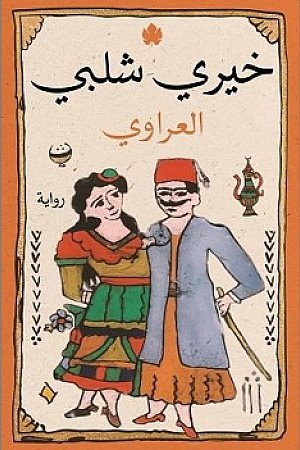
Overview
“The world is an old garment we are weaving non-stop, but it is doomed to be torn into pieces.”
Summary
Buttonholes by Khairi Shalabi takes us on a unique journey to the 1940s model of the Egyptian village in one of the most important and tumultuous Egyptian historical periods. In his charming storytelling style, the writer narrates the biography of the marginalized peasants of that period and touch on their daily life through the eyes of a child who conveys his personal experiences and the events he has lived or heard about. In Buttonholes, Shalabi combines real-life tales with fiction, which in turn makes this novel a social and human document with literary and historical narrative.
This novel is a combination of twenty stories that take place in a village in Al-Gharbiyah Governorate, before the 1919 revolution. The central character is called Abu Smaeen, who is an eccentric man with a miserable and leisurely appearance. A strange character that leaves the reader puzzled as to whether the man is a dervish or an intellectual, only to discover at the end that he is a revolutionary man, one of the men of Saadallah Zaghloul, who came to the village in search of his children. With this character's personality and symbolism, Shalabi tries to mirror the features of the folk Egyptian life in that historical period: the suffering of peasants; the oppression they are subject to at the hands of the ruling authority represented by the village sheikhs, mayors, guards. He highlights the role of Al-Hajjanh (A group used by the English to suppress the peasants); the simple peasants’ celebration of the revolution; the innate religiousness of those people, and the disasters brought by strictness and strong-opinionatedness.
The novel's characters are rich, and like any skilled storyteller, Shalabi succeeds in building them gradually, which allows the reader to explore and penetrate through them. The characters are portrayed in a way the reader feels and senses them. This could be seen in Abu Smaeen's character through his robes, laughter, emotions, internal conflicts, the way he uses opium, and even the respect that he has treated people with, which reflects love and kindness. Perhaps the title of the novel comes from here, for Abu Smaeen is like the buttonhole that brings together the lives of simple and oppressed people in the small Egyptian village and in the larger Egyptian village at that crucial stage of Egyptian history.
Why Read This Book
Buttonholes by Khairi Shalabi offers a poignantglimpse into rural Egyptian life in the early 20th century. Through the eyes of a child, the novel vividly portrays the struggles of marginalized peasants under oppressive rule. The enigmatic Abu Smaeen, a blend of dervish and revolutionary, emerges as a symbol of resistance and hope. With its insightful social commentary and evocative storytelling, Buttonholes provides a compelling portrait of Egyptian society on the eve of revolution.
Key Themes
Social Injustice
The novel powerfully depicts the oppression faced by the Egyptian peasants under colonial rule and the exploitation by local authorities.
Resistance and Revolution
It explores the boiling discontent among the people and the rise of revolutionary movements, highlighting the yearning for freedom and social change. Human Condition: The novel delves into universal themes of human experience, such as love, loss, joy, and the struggle for survival.
Social Dynamics
It provides a nuanced portrayal of village life, capturing the intricate social relationships, power dynamics, and cultural traditions within the community.
The Power of the Individual
Abu Smaeen, with his enigmatic persona, symbolizes the potential for individual action and resistance against oppression.