
Banners of the Dead
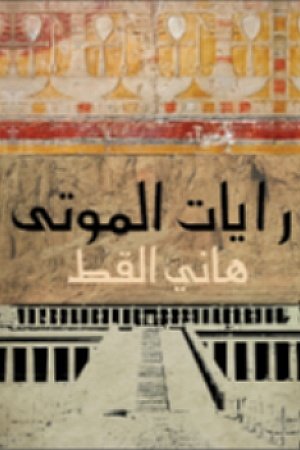
Overview
“I think that fate will find Saeed even if the latter was beyond reach, then will walk him, obediently, towards what he is destined to do.”
Summary
Banners of the Dead is a novel that comprises philosophical depth, psychological insight, and human drama within a compelling and symbolic framework. While its narrative revolves around the Luxor terrorist incident of 1997, still, it transcends this historical event and delves into the intricate and interconnected destinies of its characters.
The novel opens with English poet William Smith embarking on a journey to Egypt in search of solace from the heartache of abandonment and emotional turmoil following his wife Janet's departure. While exploring Luxor and the tombs of the pharaohs, William finds himself immersed in profound reflections on life and death. However, this contemplative expedition takes a dark turn when he witnesses a terrorist attack.
Parallel to William's journey is the tragic story of Saeed, a young Egyptian who dreams of a simple life but ends up getting involved in extremism. In prison, Saeed meets the Islamist leader Abu Musab, who gradually lures him to participate in a terrorist plot. Meanwhile, Zainab, Saeed's wife and who embodies the plight of the Egyptian women, is burdened by disappointments, overshadowed by her husband's poor choices, yet she yearns for a brighter future.
We also meet Ahmed Al-Rifai, a passionate tour guide infatuated with Zainab, but he finds himself drifting away due to life's challenges. The threads of the narrative are intricately woven through several characters, where minor details lead to critical decisions, illuminating the interplay of fate and human agency.
Hani al-Qut composes his work in a poetic style that is rich with philosophical reflections. He skillfully blends figurative language with aesthetic imagery, which adds to the text profound visual dimensions. For instance, scenes depicting the tombs of Luxor serve as paintings that encapsulate both the dread and beauty of death. In his dialogues, the author balances classical and colloquial Arabic. As noted by the critic Dr. Yusri Abdullah, “In the various dialogues throughout the novel, which form a part of the writer's narrative vision, Al-Qut employs eloquent language infused with colloquial sensibility—a method prominently started by the revered novelist Naguib Mahfouz.” Furthermore, the novel offers a precise portrayal of locations and characters, seamlessly transitioning between Luxor, Cairo, and London. By traversing these diverse environments, the narrative engages with profound philosophical themes such as identity, fate, and death, all conveyed through a literary style rich in philosophical inquiry and poetic language.
Banners of The Dead is not a mere narrative about violence or terrorism; it explores the complexities of human existence and psychological struggles. It illuminates the seemingly small human choices that can lead to catastrophic results. The novel is distinguished by its blend of literary suspense and deep contemplation, rendering it a work worthy of both reading and reflection. Its conclusion leaves readers grappled with unresolved questions about fate, freedom, and the essence of life and death.
Why Read This Book
Banners of the Dead blends philosophy, psychology, and human drama within a symbolic narrative. Inspired by the 1997 Luxor attack, it follows English poet William Smith, who seeks solace in Egypt but is caught in tragedy. His journey parallels Saeed, drawn into extremism, and Zainab, his wife, yearning for a better life. Through poetic language and rich imagery, Al-Qut explores fate, identity, and human choices, leaving readers with deep thoughts on life and death.
Key Themes
Fate and Free Will
The novel explores how personal choices and external circumstances shape destinies, questioning the balance between human agency and fate.
Identity and Belonging
The work examines cultural, personal, and national identity.
Violence and Extremism
The novel delves into the psychological and societal factors that lead individuals to extremism and radicalization.
Love and Loss
Through characters like William, Zainab, and Ahmed, the story portrays various forms of love—romantic, unfulfilled, and lost.